

Dorcas’ story: recovery from bulimia
“Recovery is a journey. But it is so worth fighting for.”
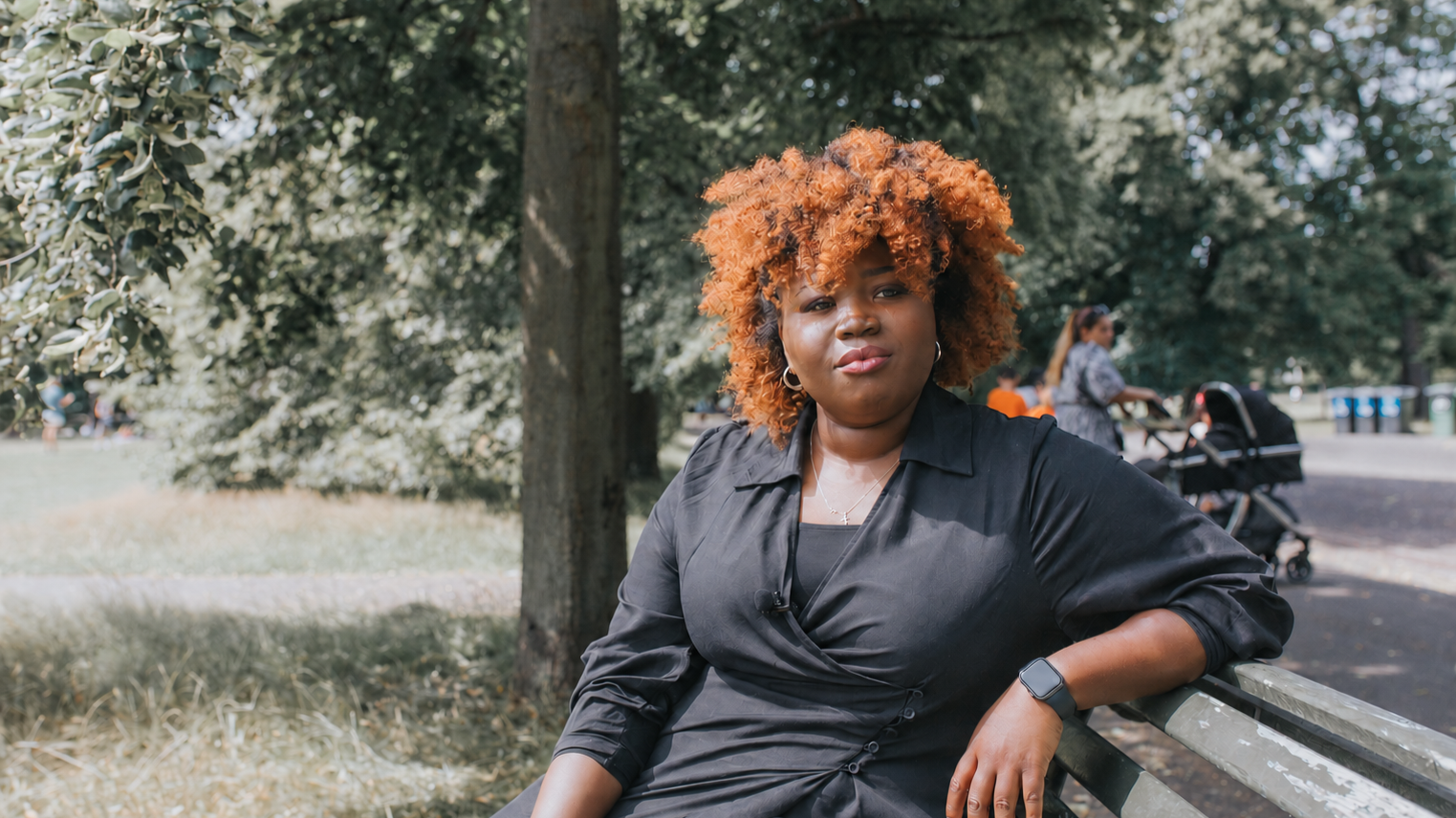
Dorcas remembers being a happy, cheeky child growing up in Ghana. But after difficult experiences in her childhood, she began struggling with anxiety and, later, overeating and bulimia.
It took time and asking for help for Dorcas to begin understanding what was happening beneath her relationship with food.
Today, she describes herself as free from her eating disorder and is a trained TasteLife leader, helping others take their own baby steps towards recovery.
“I knew that I needed to do something for myself.”
At 13, Dorcas’s grandmother, who had been an important presence in her life, left Ghana for cancer treatment in London.
Dorcas remembers this as a time when something changed. The happy child she remembers being began struggling with anxiety.
Around the same age, she experienced sexual abuse by a family member.
As a child, she says she didn't fully understand what was happening.
“When you're a child, things don't register. You think that's the norm because that's what you're exposed to.”
At 14, Dorcas left Ghana and moved to the UK to rejoin her parents.
It was another enormous change and Dorcas remembers this as the point when things became increasingly difficult.
“I think that's when everything just went downhill.”
After moving to the UK, Dorcas began experiencing patterns of overeating and bulimia. Food became closely connected to her emotions.
“If I'm upset, if I'm sad, I would just eat. And then during the night I would go into the bathroom and purge.”
Eventually, Dorcas reached a point where she knew she needed help.
Understanding the connection
Dorcas began therapy and spent more than a year working through the sexual abuse she had experienced.
Through that process, she began to understand something she hadn't recognised before: for her, her experiences and her relationship with food were connected.
“Sometimes you do separate yourself from the initial reason why you've got an eating disorder to the actual eating disorder.”
Therapy, CBT and learning more about eating disorders all became part of her recovery.
And there was another realisation she needed to work through:
“When you don’t love yourself, it’s difficult for you to receive love.”
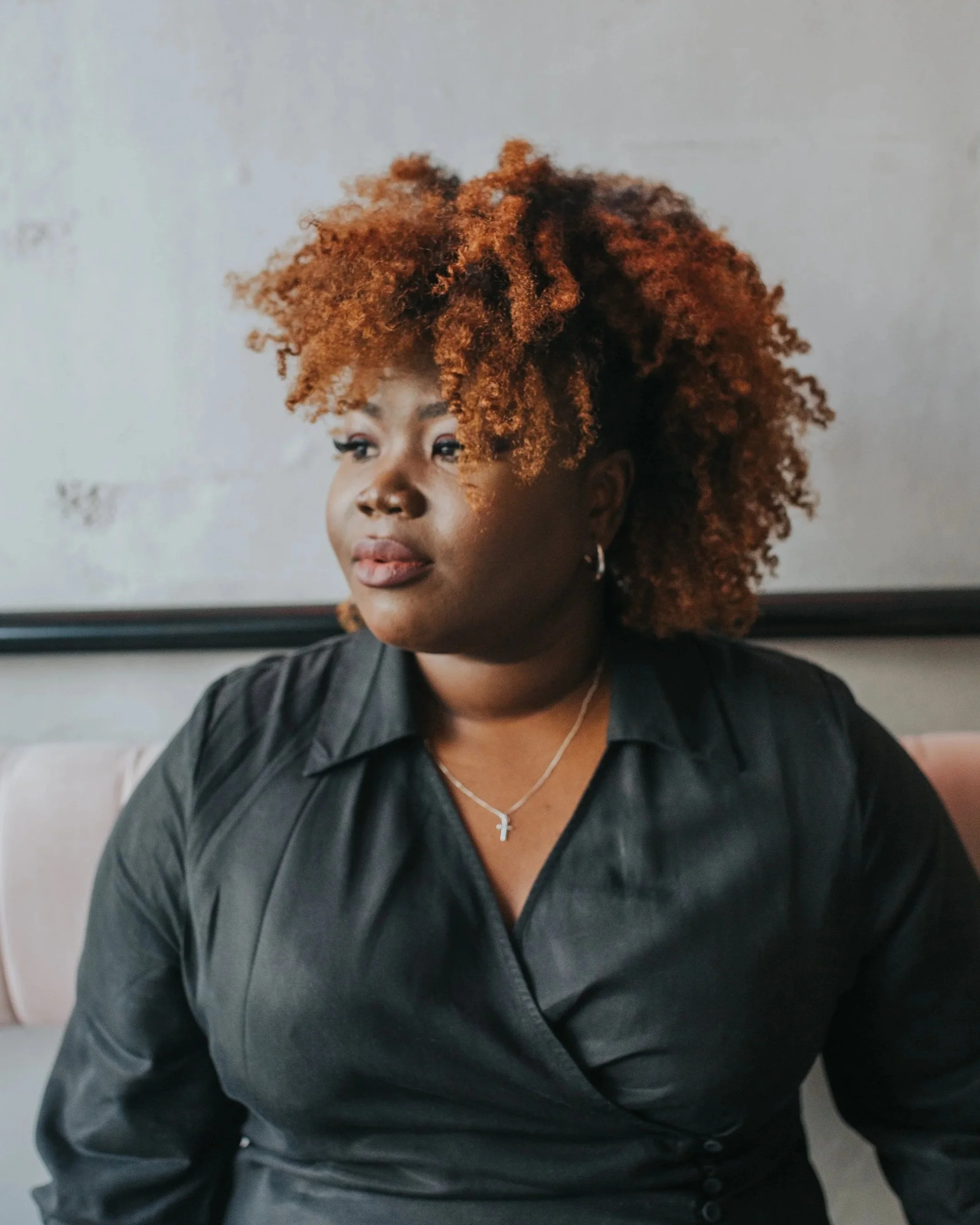
At the same time, life was moving forward. Dorcas began working as a nutrition nurse, helping people in hospital who were struggling to eat — while still navigating her own relationship with food.
A dietitian she worked alongside helped her understand the difference between healthy eating, disordered eating and eating disorders. Dorcas also began CBT to help manage her anxiety.
But there was something else she was beginning to recognise about herself.
Dorcas is open about the reality of recovery.
“When you don't love yourself, it's difficult for you to receive love.”
The toughest journey she’s ever taken.
For Dorcas, that became another part of the work she needed to do.
“Recovering from an eating disorder is a journey. It's really difficult. It's one of the toughest things I've ever had to do — but it's a really good fight to fight.”
Today, Dorcas says she is free from her eating disorder.
But her story doesn't end with everything suddenly becoming easy.
While working at the NHS Nightingale hospital during the pandemic, Dorcas recognised thoughts about returning to old behaviours.
This time, she knew the warning signs.
She called her counsellor and returned to therapy.
For Dorcas, asking for help was part of continuing her journey.
Now Dorcas is helping others take their first steps
Dorcas is now a trained tastelife leader and has helped run courses for people affected by eating disorders.
Her own experience has become part of how she supports others.
“I want to help people. I want to be open and honest with people on my journey and what recovery looks like.”
And her message to someone wondering whether recovery is possible? For Dorcas, asking for help was part of continuing her journey.
“Just baby steps. That's all we are — baby steps.”
Your baby step might start here.

If you're struggling with an eating disorder or supporting someone who is you don't need to have everything figured out before asking for help.
As Dorcas says:
“Know that it's a journey. I mean, look at me. But it is so worth fighting for.”Today, Dorcas says she is free from her eating disorder.
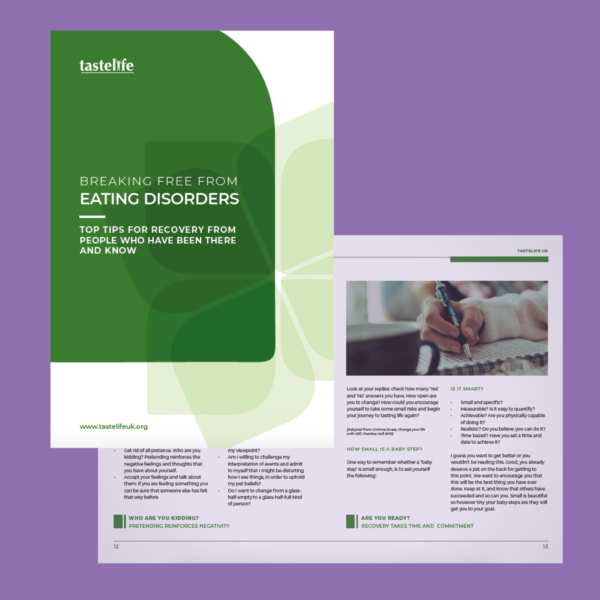
Download our Top Tips
for Recovery Guide
Practical tips and encouragement from people with lived experience of eating disorders and recovery
Get to know us at a free Taster Session
It’s okay to have questions. Our free online Taster Session gives you a chance to explore what the Recovery Course offers before deciding whether to join
Join the eight-week Recovery Course
Our Recovery Course offers understanding, practical tools and support for people affected by eating disorders and the family and friends alongside them.